ROAR PANTHER Natural Stone Atelier Request Quote

Material type

Collemandina Marble for refined Roar Panther surfaces.

Collemandina normally means Grigio Collemandina marble, an historic Italian stone quarried around Lucca in Tuscany, with a deep grey or grey-brown field, brown inclusions and elegant white, darker-grey or occasional gold-toned veins. It is commercially classed as marble but described petrographically as a compact dolomitised limestone breccia. Polished, honed, brushed and leathered slabs are available in 20 mm, including stock around 100–118 × 55–76 inches, with tiles, counters, bars, walls and furniture fabricated to order. It suits floors, stairs, wet areas and fireplaces, but should be sealed and protected from acids, scratches and water spotting. Rosa Collemandina Marble should not be treated as the same selection without separate origin documents. Request Italian quarry certificates and consecutive slabs for matching. Indicative UAE material-only pricing is approximately AED 500–1,100/m², reflecting limited availability and distinctive patterning.

Collemandina Marble help desk

Need help choosing this stone type?

Share your product, room or fit-out detail and our designer line will guide you on slab selection, finish, sizing, price direction and care.

Parent material
Marble
Primary number
+971 55 000 0000
Secondary number
+971 54 000 0000
Designer number
+971 52 000 0000

Collemandina Marble products

Shop Collemandina Marble products

Browse product groups connected to Collemandina Marble. Use the sticky filters to narrow by finish, category, application, color and price while staying inside this section.

Showing 0-0 of 0 products

Italian Origin, Grey-Gold Character

Grigio Collemandina Marble

Grey Collemandina slab material generally refers to Grigio Collemandina or closely related Fior di Bosco-type Italian stone with taupe-grey to grey-brown backgrounds, subtle brown inclusions and white, translucent-grey or occasional gold veins. Italian quarry and provenance documents should be verified because commercial naming can overlap related grey stones. Collemandina price comparisons should use equivalent natural material and finish, while slab selection should account for the natural variation between compact grey areas and more active pale or gold-veined sections.

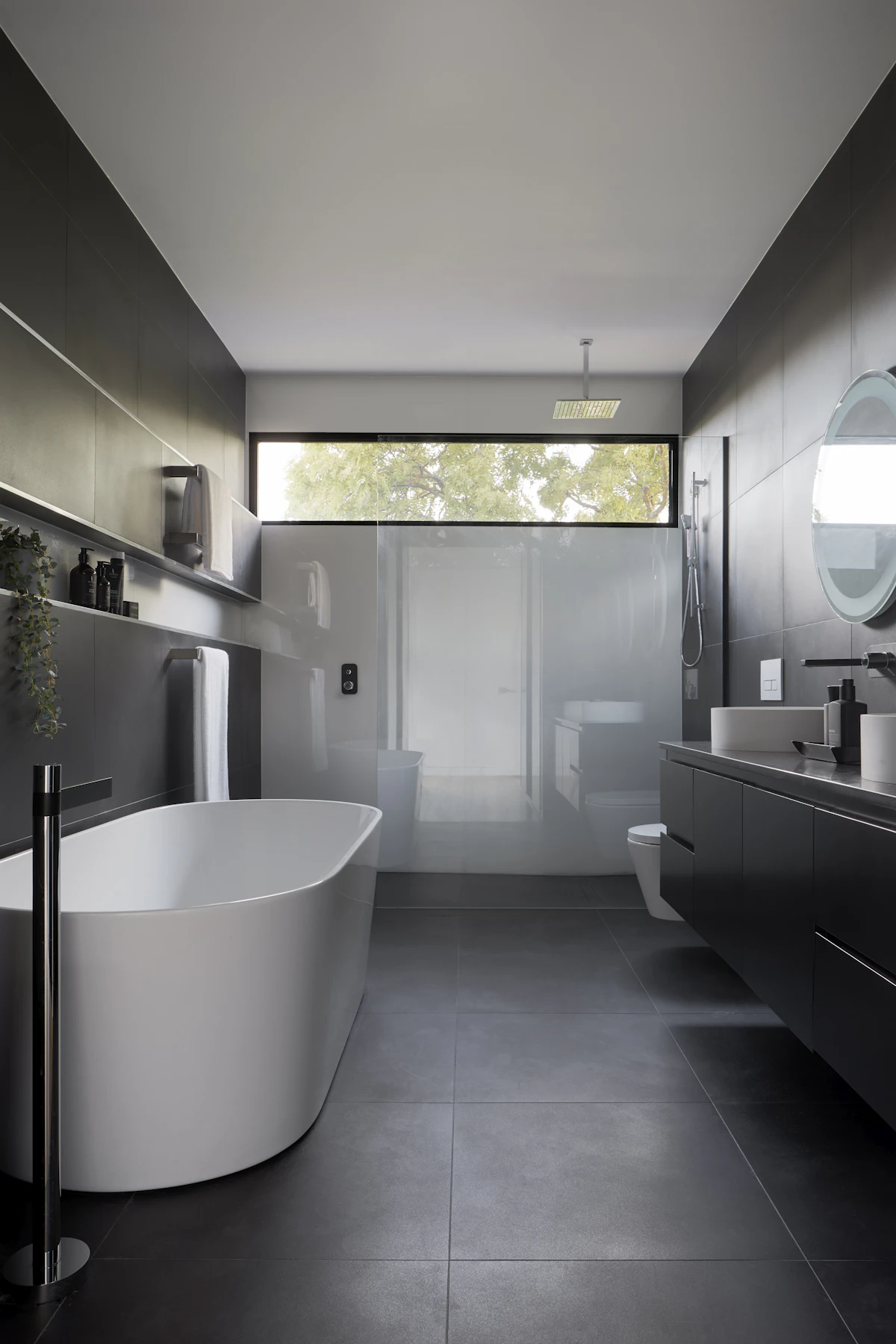
Collemandina limestone featured in a contemporary bathroom, showing realistic stone depth and refined architectural detail.
This contemporary bathroom showcases Grigio Collemandina countertop with natural veining, polished depth and refined detail.

Earthy Grey, Golden Natural Movement

Collemandina Limestone Selection

A Grigio Collemandina countertop should be cut from structurally sound areas and laid out according to the slab's directional grey movement. Rosso Collemandino should be treated as a separate colour selection and not substituted merely because it shares geographic or trade naming.

Finishes, Panels & Custom Formats

Collemandina Bookmatch Formats

Collemandina bookmatch applications should reserve sequential slabs before general tile cutting because symmetrical wall compositions depend on slab order. Rosso Rupas should not be treated as automatically equivalent; use the actual supplied stone for fabrication decisions. Polished pieces work well for dramatic feature walls, while honed or leathered finishes suit quieter floors and stair elements. Large panels, tiles and custom pieces can all be produced, but flooring should be dry-laid to balance more active pale-veined areas with calmer grey sections. Stair treads should use compatible pieces across the complete flight.

Confirm Italian classification with technical data before exterior use

Fior Di Bosco Marble Suitability

Fior di Bosco marble and Rosso Colemandino should be treated as separate Italian selections whose exterior suitability depends on the exact quarry material and technical data. For UAE cladding, request strength, absorption, panel-size limitations and anchoring recommendations before specifying large slabs; for outdoor floors, select a finish appropriate to slip and abrasion. A penetrating sealer may reduce staining on natural carbonate stone but will not prevent acidic damage. Taupe-grey honed finishes can be practical for interiors because they hide fine wear better than polish, while exterior polish may lose its original gloss unevenly. If stronger gold or pale veins coincide with natural fissures, those areas should be reviewed before drilling or fabricating narrow edges. Provenance and finish should remain tied to the approved slab sequence.

UseFinishThicknessIndoor / sqmOutdoor / sqmSupplyInstalledNotes
Bookmatched Feature Walls Polished/Honed 15 mm/20 mm Indoor Preferred — preserves bookmatched pattern Indoor preferred — maintains precise mirrored vein transitions. AED 380–535/m² AED 140–180/m² Mirrored veining creates an elegant symmetrical wall feature.
Kitchen Countertops Polished/Honed 20 mm/30 mm Best indoors for kitchen countertops in designer villas and premium residential kitchens. Indoor countertops preferred; shaded outdoor kitchens possible AED 235–325/m² AED 140–200/m² Premium countertop for sophisticated kitchens
Flooring Tiles Honed/Polished 18 mm/20 mm Indoor preferred — living areas, hallways and lobbies. Outdoor only in sheltered flooring with honed finish — polished tiles can become slippery and weathered. Est. AED 150–230/m² Est. AED 80–120/m² Versatile 18–20 mm flooring for hallways, living areas and lobbies; honed finish is preferable for sheltered exterior flooring requiring better grip.
Exterior Cladding Panels Honed/Sandblasted 20 mm/30 mm Not preferred indoors — designed for exterior façades and walls Outdoor preferred — façades, exterior walls and entrances Est. AED 120–180/m² Est. AED 130–170/m² Exterior-focused cladding suitable for façades, entrances and walls, with honed or sandblasted finishes supporting outdoor durability.
Bathroom Vanity Tops Polished/Honed 20 mm/30 mm Indoor preferred for bathroom vanities and guest washroom counters Outdoor not preferred for bathroom vanity tops because weather can stain and weather the surface. AED 230–320/m² AED 95–140/m² Premium decorative marble requiring protection from weather and staining for long-term appearance.

Countertops, bathrooms, fireplaces, bars and furniture.

Fior di Bosco Marble Interior Uses

Fior di Bosco marble is well suited to countertops, vanity tops, bar fronts, fireplaces and furniture where its compact grey-brown field provides a sophisticated neutral base. Rosso Collemandino or related selections should be treated separately if colour differs. In wet areas, honed finishes are generally easier to maintain than high polish, while counters require stone-safe cleaning and prompt removal of acidic spills.

Fior di Bosco marble on honed kitchen counter, vanity and bar with taupe-grey fields, white veins and subtle golden accents.
Fior di Bosco marble forms honed kitchen counter, vanity and bar with compact taupe-grey fields and refined white-gold veins.

Italian grey-brown stone offers distinctive white-gold movement, but rarity, etching, water spots and slab continuity demand careful sourcing.

Tuscan Collemandina Stone Trade-Offs

An intense grey background enriched with brown inclusions and white-gold veins gives this Italian stone a layered appearance that works especially well on bars, counters, walls and statement furniture. Designers often choose complex greys like this when a project needs a dark neutral with more richness than a uniform charcoal surface. Verify Italian provenance, approve vein density across the actual slabs and compare polished, honed and leathered finishes because each changes how strongly the gold and brown details appear. A complementary <a href='https://marbletrays.com/'>marble perfume tray</a> can repeat the same sophisticated grey-stone language in a smaller interior detail.

Strengths & Drawbacks

Pros

  • Intense grey base gives interiors substantial visual depth
  • white and light-grey veins maintain sophisticated contrast
  • polished honed and brushed finishes provide useful design flexibility
  • natural-stone character suits premium interior schemes
  • restrained palette pairs easily with timber metals and neutral finishes

Cons

  • Commercially called marble despite its brecciated dolomitized limestone geology
  • acidic exposure can damage polished surfaces
  • grey brown and gold proportions vary between slabs
  • strong inclusions make seamless batch matching harder
  • specialist Italian supply can limit replacement availability

Best Use: Refined Walls, Floors & Interior Features

Collemandina: Luxury Grey Applications

A Collemandina countertop, bar or fireplace showcases the intense grey field with brown inclusions and white-gold movement; use full-slab approval to control vein density and avoid placing the most active areas around sinks or complicated cut-outs.

UseWeatherConditionApplicationSlipCareBest forAvoid for
Feature Wall Panels Feature wall panels are better indoors, while sheltered outdoor walls in relatively dry, moderate climates can be considered with proper sealing. Performs well in villa interiors with normal household traffic, careful furniture movement and routine sealing against everyday spills. Feature walls, villa accent panels, reception backdrops and decorative vertical interior applications. Slip rating does not apply to vertical feature wall panels. Dust with microfiber, clean only when necessary and avoid abrasive pads that could dull the decorative finish. Best for decorative villa and reception walls where visual pattern, low impact and gentle maintenance are priorities. Exposed exterior walls, high-impact locations and areas requiring frequent abrasive cleaning.
Luxury Flooring Tiles Best indoors; sheltered exterior luxury flooring may work in dry climates with textured finish and sealing. Controlled luxury floor traffic with grit prevention and scheduled sealing Private residences, boutique hotels and controlled luxury flooring Smooth luxury flooring may slip; honed finish improves safety Prevent grit buildup, clean with pH-neutral products and reseal periodically to protect the luxury floor finish. Best for controlled luxury flooring where distinctive stone character can add exclusivity to residences and boutique hospitality spaces. Avoid for heavily trafficked commercial floors, persistently wet zones or polished areas where dependable slip resistance is essential.
Bathroom Vanities Best indoors; outdoor bathroom vanities should remain completely covered from direct sun, rain, heat and prolonged moisture exposure. Best for bathroom vanities with controlled moisture, periodic sealing and quick removal of water, cosmetics and toiletries. Suitable for master bathrooms, hotel suites, powder rooms and refined residential vanity installations. Slip is not directly relevant to bathroom vanities; wipe basin splashes promptly to prevent wet flooring around the unit. Wipe water spots and toiletries quickly, use soft cleaners and protect the dark vanity from scratches and cosmetic staining. Best for refined bathroom vanities in master suites, hotel bathrooms and elegant residential powder rooms. Busy communal washrooms, prolonged standing moisture and vanity tops exposed frequently to acids or abrasive cleaners.
Fireplace Cladding Best indoors; covered outdoor fireplace cladding may work in mild, dry weather away from direct rainfall and prolonged sun. Best for fireplace cladding with secure fixing, moderate radiant heat and gentle soot maintenance. Contemporary fireplaces, boutique hotels and refined hearth cladding No walking-slip concern for vertically installed fireplace cladding Remove soot regularly, use soft cloths and maintain fireplace-cladding joints Refined fireplace cladding for boutique hotels and contemporary interiors seeking subtle decorative movement. Firebox linings and directly exposed combustion surfaces
Bespoke Furniture Tops Indoor preferred; exterior furniture tops should only be used in fully shaded, dry and protected settings Best for bespoke furniture tops with sturdy support, low-impact use and careful scratch prevention. collemandina marble Furniture tops require no pedestrian slip classification Use felt pads and coasters, wipe spills promptly and avoid dragging accessories across the furniture top Custom furniture tops with designer appeal Workshop furniture tops supporting tools and concentrated heavy loads
Collemandina marble dining table with taupe-grey and grey-brown stone featuring elegant pale mineral veining.
Collemandina marble creates a sophisticated dining table through taupe-grey colour and graceful pale veining.

Grey Collemandina rewards rarity-aware slab matching.

Grigio Collemandina Rare Slab Matching

Collemandina Red should be secured in sufficient quantity before fabrication begins when a project requires multiple coordinated surfaces. Photograph and number every approved slab, create a panel map and retain the remaining Marmo Marrone Collemandina pieces for later stages instead of releasing them back to stock. Rare replacement matching becomes considerably easier when offcuts and unused slabs remain traceable to the original sequence.

Collemandina Marble FAQ

Questions about Collemandina Marble

Answer

For Rosa Collemandina Marble, what should buyers know about Collemandina versus Grigio Collemandina naming, how can they assess taupe-grey colour variation, and what matters most when evaluating brown undertone differences?

Grigio Collemandina is a Tuscan Italian marble from the Collemandina/Garfagnana area and is documented with smoky grey to taupe-grey backgrounds, fine white veins and occasional warm mineral accents. That is different from the Rosso/Rosa Collemandina names in the broader family, so the exact subtype matters. For a neutral grey project, compare slabs for brown undertone before approving them: warmer taupe lots can look beige under warm lighting, while cooler selections remain more distinctly grey.